October 27, 2026
When choosing flooring for a home, appearance and durability often influence the decision, but comfort matters just as much. Floors affect how a room feels underfoot, how warm it stays during colder months, and how inviting it is for everyday activities. While hardwood, tile, laminate, and luxury vinyl each offer distinct advantages, carpet provides a level of softness and coziness that hard flooring cannot easily replicate.
Why Is Carpet Considered More Comfortable Than Hard Flooring?
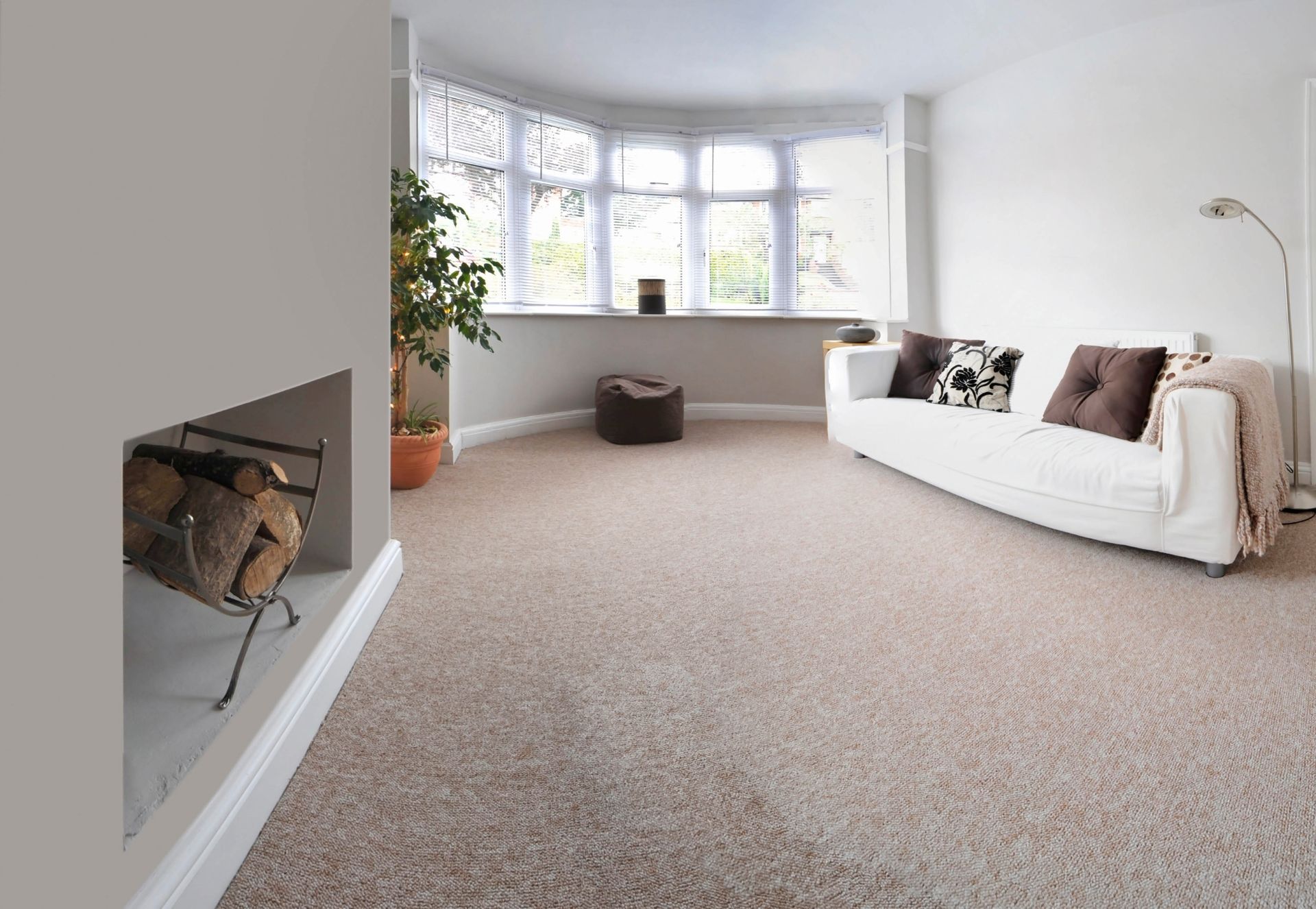
The most obvious advantage of carpet is its soft surface. Unlike tile or hardwood, which can feel unforgiving underfoot, carpet provides a cushioned layer that makes standing, walking, and sitting more comfortable. This quality is particularly valuable in rooms where people spend considerable time on their feet, such as living rooms, bedrooms, and playrooms.
Carpet's fibers also help create a more relaxing atmosphere. A soft bedroom floor, for example, offers a pleasant surface to step onto when getting out of bed in the morning. In family rooms, carpeting makes it easier to sit on the floor while reading, playing games, or spending time with children. These everyday benefits can make a house feel more welcoming without requiring major changes to its layout or decor.
Another consideration is impact absorption. Carpet and its padding provide some cushioning when people walk across a room, helping reduce the sensation of hard contact with the floor. This can be especially appealing to households with young children, who frequently play on the ground, or anyone who prefers a softer surface beneath their feet.
Carpet can also contribute to a quieter indoor environment. Its fibers absorb some sound rather than reflecting it as strongly as many hard surfaces do. This can reduce the sharp sound of footsteps and help limit echoes in busy rooms. For homeowners who value peaceful bedrooms, comfortable living areas, and a less noisy household, carpet offers several advantages beyond softness alone.
According to the Carpet & Rug Institute, three widely recognized benefits of carpet are comfort, warmth, and insulation. These qualities help explain why carpet remains a popular flooring choice for homeowners seeking a cozy environment.
What Types of Carpet Are Available at the Carpet Store?
Not all carpet feels the same. Different fiber types, pile constructions, and thicknesses create distinct experiences underfoot, making it important to understand the available options before choosing a product.
Nylon carpet is known for its durability and resilience. Its fibers can recover well from compression, making it a practical choice for hallways, family rooms, and other areas with frequent foot traffic. Homeowners who want a balance of comfort and long-term performance may find nylon worth considering.
Polyester carpet often appeals to shoppers looking for a soft feel and a wide range of colors. Depending on its construction, it can provide a plush surface that works well in bedrooms and other spaces where relaxation is a priority. Some polyester products also incorporate recycled materials, giving environmentally conscious shoppers another factor to consider.
Wool carpet offers a natural fiber option with a distinctive feel. It is valued for its softness, resilience, and natural insulating properties, although it typically costs more than many synthetic alternatives and requires appropriate care.
Construction matters, too. Plush carpet has a smooth, even surface that can feel luxurious in a bedroom or formal sitting room. Textured carpet offers a more casual appearance and can help disguise everyday footprints. Berber and other loop-pile styles provide a different texture and can work well in spaces where a practical, understated look is desired.
How Does Carpet Provide Better Insulation Than Hard Flooring?
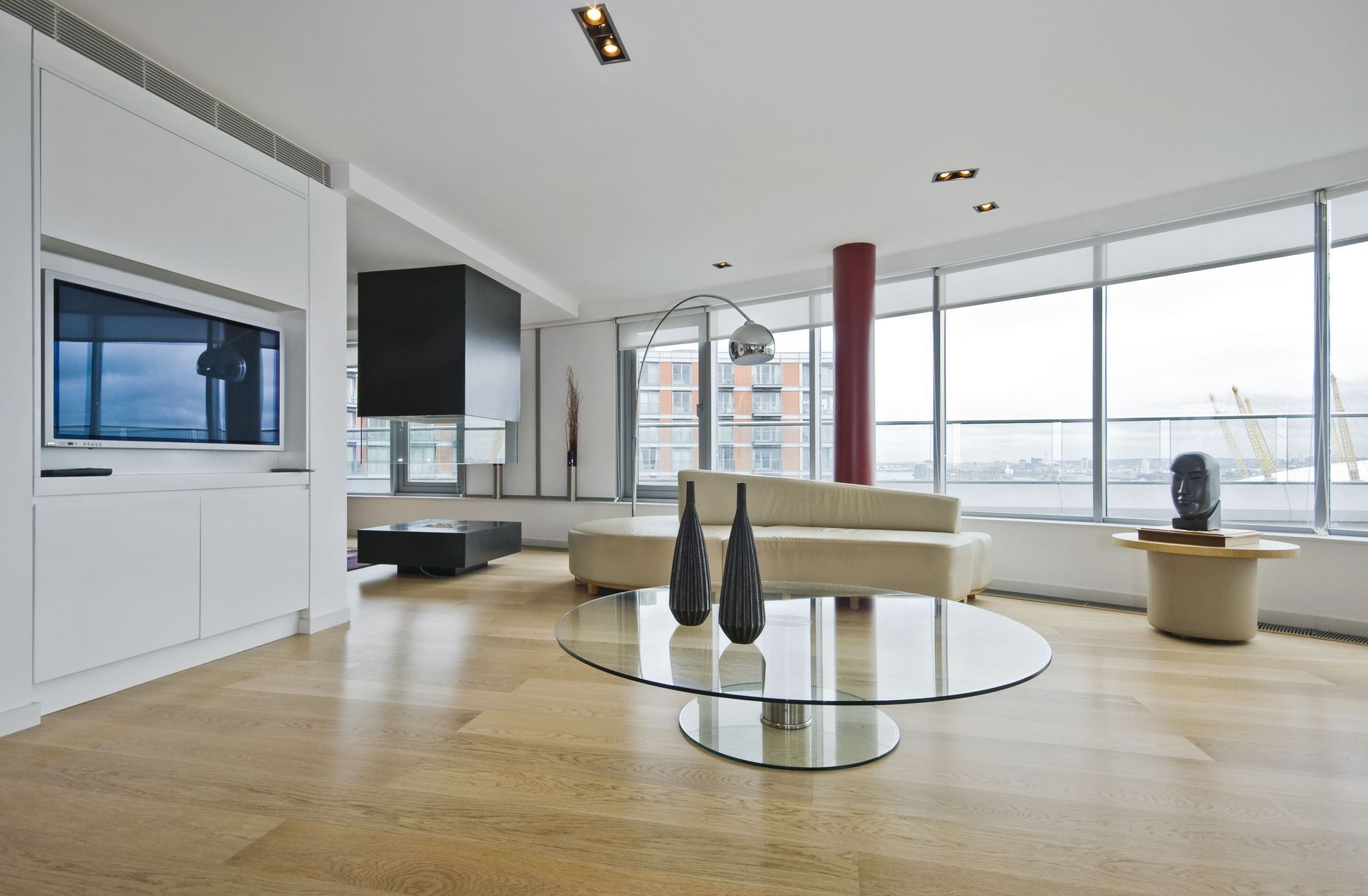
Flooring can influence how comfortable a room feels throughout the year. Hard surfaces such as ceramic tile and stone often feel cold in the morning or during winter because they conduct heat away from bare feet more readily than carpet does. Carpet's fibers and the air trapped within its pile help slow heat transfer, creating a warmer-feeling surface.
This insulating quality is particularly beneficial in bedrooms, finished basements, and living rooms where people want to feel comfortable without immediately reaching for slippers. Carpet padding adds another layer beneath the fibers, improving cushioning while contributing to the floor's thermal resistance.
According to the Carpet & Rug Institute, carpet provides thermal insulation that helps retain warmth during colder weather. Although carpeting is not a substitute for properly insulated floors, walls, and foundations, it can complement a home's existing insulation and improve everyday comfort.
A knowledgeable carpet store can help homeowners compare carpet thicknesses, fiber types, and padding options when warmth is a priority. The combination matters because a carpet's insulating performance depends on its construction and the materials beneath it.
Is Carpet Easier to Maintain Than Hard Flooring?
Maintenance is an important consideration when comparing flooring materials. Hard flooring is often easier to clean after spills because liquids and debris remain visible on the surface. However, carpet can be straightforward to maintain when homeowners choose an appropriate product and follow a consistent cleaning routine.
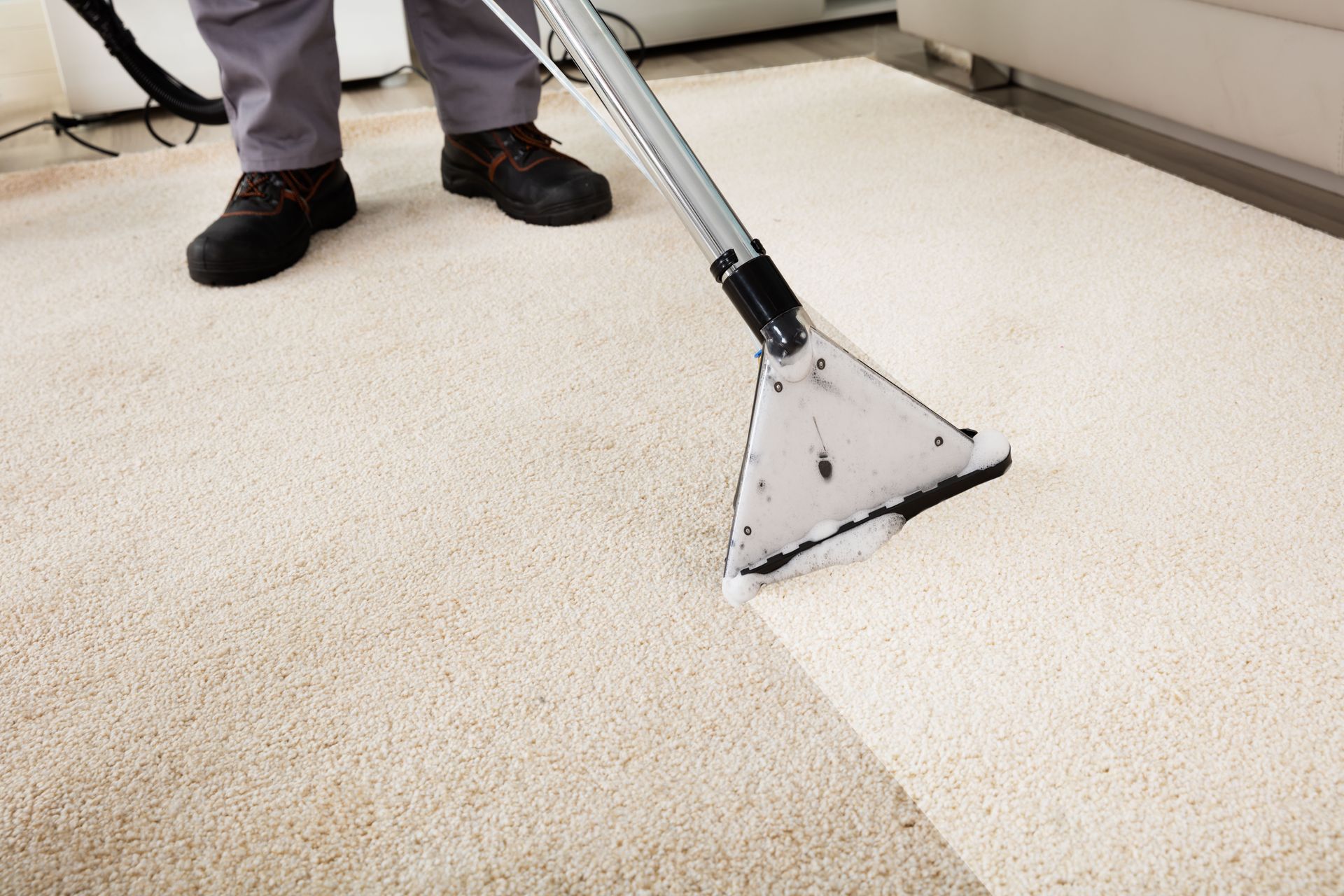
Regular vacuuming removes loose dirt, dust, and debris before they become embedded in carpet fibers. Spills should be addressed promptly using cleaning methods recommended by the manufacturer. Periodic deep cleaning can help remove accumulated soil and preserve the carpet's appearance.
The amount of maintenance required depends on the carpet's material, color, pile construction, and location. A light-colored plush carpet in a busy entryway may require more attention than a darker, textured option in a guest bedroom. Households with pets or children should consider stain-resistant products and styles that conceal everyday marks.
How Can You Choose the Best Carpet From a Carpet Store for Maximum Comfort?
Finding comfortable carpet involves more than choosing the softest sample. Homeowners should consider how the room will be used, how much foot traffic it receives, and what type of support the carpet needs beneath it.
Start by comparing different fibers and pile constructions. Plush styles can provide a luxurious feel in bedrooms, while textured options may offer a practical balance of softness and durability in family rooms. Households with active children or pets should consider how well a product resists stains, retains its shape, and handles regular cleaning.
Padding deserves equal attention. The right carpet cushion supports the carpet, absorbs some impact, and can improve comfort and sound absorption. However, thicker padding is not automatically better. The appropriate thickness and density depend on the carpet's construction and the manufacturer's recommendations.
A visit to a
carpet store also allows shoppers to compare samples in person. Press your hand into different surfaces, walk across larger displays when possible, and ask how each product is expected to perform over time. Consider colors and textures alongside practical details such as warranty coverage, installation requirements, and maintenance costs.
Finally, establish a realistic budget that accounts for more than the carpet itself. Padding, installation, furniture moving, and removal of existing flooring may affect the overall cost. Comparing complete estimates can make it easier to choose a comfortable option without overlooking important expenses.
Both carpet and hard flooring offer advantages, but carpet stands out for homeowners who prioritize softness, warmth, and a welcoming atmosphere. Its cushioned surface can make walking and sitting more comfortable, while its insulating properties help floors feel warmer and its fibers absorb some household noise. If you're looking for carpet, reach out to Simon's Flooring and Design today!